
HAPPY LIFE

WHAT NEWS?

Ethiopia Red Sea Access Threatens New Conflict With Eritrea
Ethiopia Red Sea Access Threatens New Conflict With Eritrea


Trusted News - Expert Analysis - Global Coverage
Ethiopian Prime Minister Abiy Ahmed has built his political legacy on massive, nation-shaping projects—from the Grand Ethiopian Renaissance Dam (GERD) to plans for Africa's largest airport and even a future nuclear power plant. But his most ambitious goal yet—securing Ethiopia's long-lost access to the sea—is now threatening to ignite a new regional conflict.
uring an address to parliament in late October, Abiy celebrated Ethiopia's rapid transformation. Addis Ababa is booming with construction, and the GERD—officially inaugurated in July—was hailed by the prime minister as a "harbinger of tomorrow's dawn", signaling Ethiopia's aspiration to break free from decades of dependence on foreign aid.
But behind the optimism lies a volatile geopolitical challenge that could destabilize the entire Horn of Africa.
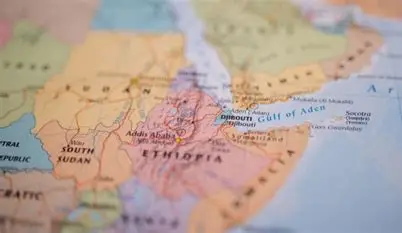
Since Eritrea's independence in 1993, Ethiopia has been landlocked—a strategic vulnerability for Africa's second-most populous nation. Gaining Red Sea access has remained a long-term national priority.
Relations between Ethiopia and Eritrea seemed to improve after Abiy's historic 2018 peace agreement, which earned him the Nobel Peace Prize. But the rapprochement later unraveled, especially after both sides fought together in the destructive Tigray war.
Now, tensions are resurfacing. Eritrea accused Ethiopia in June of preparing a "long-brewing war agenda" to seize Red Sea ports. Ethiopia has denied this, insisting its goal is peaceful negotiation. Addis Ababa recently alleged that Eritrea is preparing for war and supporting Ethiopian rebel groups—claims Asmara rejects. This sharp escalation in rhetoric has raised alarms among analysts monitoring the region.
Magus Taylor, Deputy Horn of Africa Director at the International Crisis Group, described the situation as "deeply concerning."
"There's a possibility of mistakes or miscalculation," he warned. "And the situation could deteriorate further in the coming months."
The Horn of Africa remains one of the most militarized and fragile regions in the world. Any clash between Ethiopia and Eritrea—two nations with a long history of bitter conflict—could quickly spiral into a wider crisis.
Despite impressive development indicators, Ethiopia's economy remains vulnerable. Inflation, the lingering aftermath of the Tigray war, and slowing donor support have already strained the nation.
A renewed conflict—especially one involving access to ports—would disrupt trade routes, deter foreign investment, place enormous pressure on Ethiopia's already fragile finances, and risk instability spilling into neighboring states.
For humanitarian agencies, even the possibility of conflict is alarming. Millions across the region remain displaced from previous wars, droughts, and famine conditions. The UN estimates that over 20 million people in the Horn of Africa require food assistance due to prolonged drought.
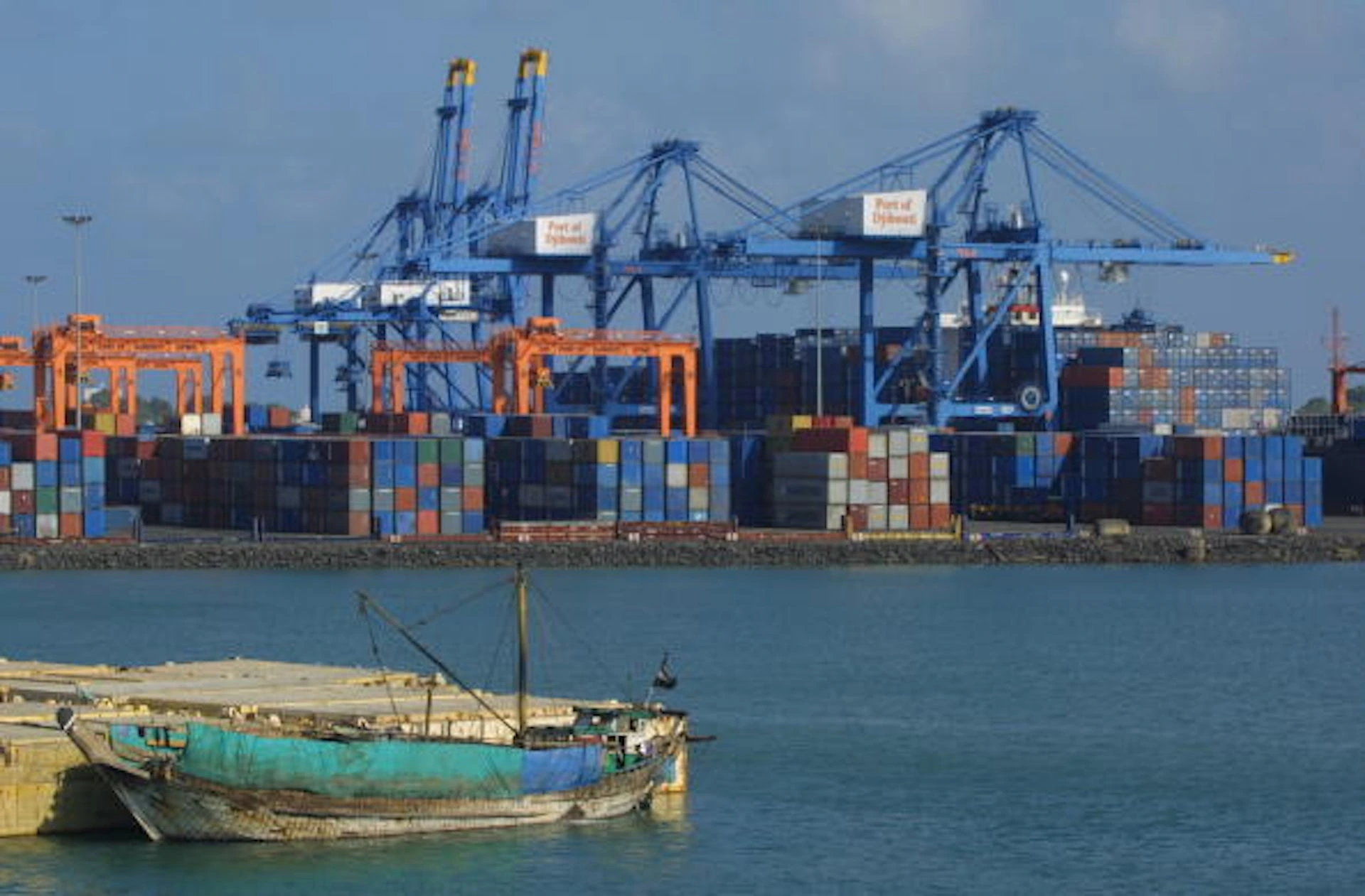
Ethiopia's economic growth, which averaged 10% annually before the pandemic, has slowed significantly. The country relies heavily on Djibouti's ports for approximately 95% of its foreign trade, paying hefty fees that strain its foreign exchange reserves. This dependence makes sea access a critical economic and security priority for Addis Ababa.
The potential conflict has drawn international attention, with major powers monitoring the situation closely. The United States, China, and European Union all have significant interests in the Horn of Africa's stability.
China has invested billions in Ethiopian infrastructure through its Belt and Road Initiative, while the United States views Ethiopia as a key counterterrorism partner in the region. The European Union relies on the Horn of Africa for migration management and counter-piracy operations.
Regional organizations like the African Union and IGAD (Intergovernmental Authority on Development) have attempted mediation, but their influence has been limited by internal divisions and competing national interests among member states.
95% of Ethiopia's foreign trade passes through Djibouti ports at high cost
Ethiopia: 150,000 active troops | Eritrea: 200,000+ (largest in Africa per capita)
Previous war cost both countries $3 billion+ and set back development by years
20+ million people in Horn of Africa require food assistance due to drought
Assab and Massawa (Eritrea) historically served Ethiopia before 1993 independence
US, China, EU all have major economic and security interests in region
Ethiopia's quest for sea access dates back centuries. The ancient Aksumite Kingdom had extensive Red Sea trade networks, and Ethiopia maintained coastal territories until the late 19th century. Modern Ethiopia briefly regained access to the sea during its federation with Eritrea (1952-1962) and subsequent annexation until Eritrean independence in 1993.
Analysts outline several potential scenarios: diplomatic negotiations leading to port access agreements, economic partnerships with Eritrea or other neighbors, escalation into limited border clashes, or full-scale war that could draw in regional actors like Somalia, Sudan, and Gulf states.
Prime Minister Abiy faces domestic pressure to address Ethiopia's landlocked status while managing economic challenges. His administration has explored alternatives, including strengthening ties with Somaliland and pursuing port deals with Sudan, but these options carry their own geopolitical risks.
The international community continues to urge dialogue, recognizing that conflict would have devastating humanitarian consequences and destabilize a region already grappling with multiple crises including drought, displacement, and terrorism threats from al-Shabaab in Somalia.
Abiy's determination to secure Red Sea access reflects Ethiopia's strategic needs—but the path he chooses could define the region's future.
Negotiation could bring long-term stability and economic opportunity. A misstep could pull Ethiopia and Eritrea back into a devastating conflict neither country can afford.
The coming months will be critical. Diplomatic channels remain open but strained. Military movements along the border are being closely monitored. Regional and international mediators are working behind the scenes to prevent escalation.
For Ethiopia, the stakes could not be higher. Economic growth, regional leadership ambitions, and national security all hinge on resolving the sea access question without triggering another catastrophic war in a region that has seen too much conflict already.