
HAPPY LIFE

WHAT NEWS?
Bomb Blast Kills 30+ in Eastern Congo Despite Peace Deal
Bomb Blast Kills 30+ in Eastern Congo Despite Peace Deal


Trusted News - Expert Analysis - Global Coverage
A deadly explosion in eastern Congo has killed more than 30 people and injured 20 after clashes between the Congolese army and a pro-government militia in Sange, despite a newly signed U.S.-brokered peace deal.
powerful bomb explosion has killed more than 30 people and injured at least 20 others in the town of Sange in South Kivu, eastern Congo, following a violent confrontation between the Congolese military and a pro-government militia. The incident unfolded Sunday evening, deepening fears that the region is slipping even further from stability—just days after a highly publicized peace deal was signed in Washington.
According to local residents and civil society representatives who spoke to the Associated Press, the fighting involved soldiers from the FARDC (Armed Forces of the Democratic Republic of Congo) and the militia group Wazalendo, which has been partnering with government forces to combat the powerful M23 rebels.
Witnesses reported hearing gunfire moments before the deadly blast shook the town.
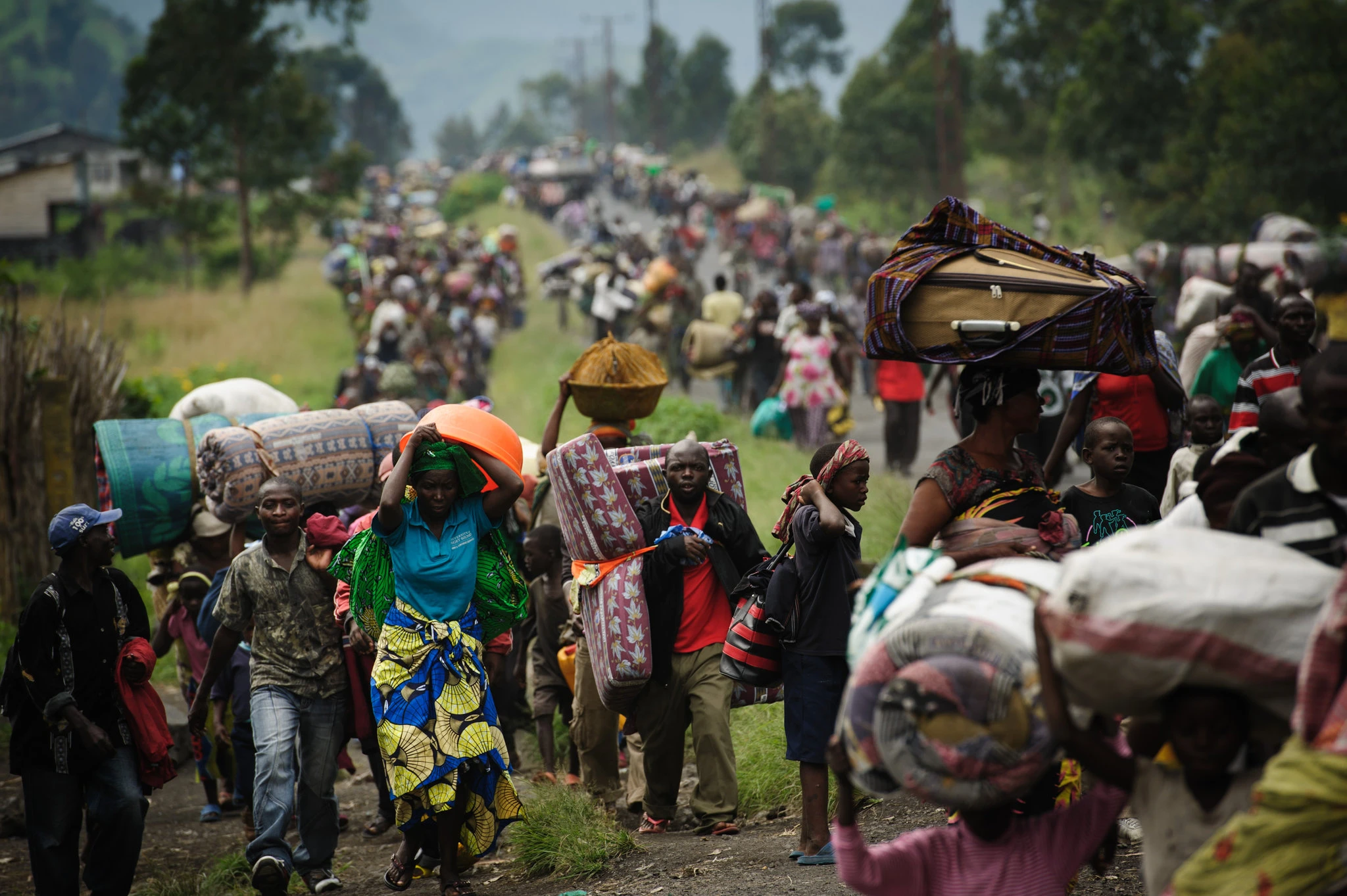
Eastern Congo remains one of the world's most volatile regions, with over 100 armed groups competing for territory, influence, and control over valuable minerals. The longstanding conflict—fuelled in large part by the Rwanda-backed M23 rebel group—has triggered a severe humanitarian crisis, displacing more than 7 million people, according to international agencies.
The dense network of militias, shifting alliances, and cross-border interference has made peace efforts extremely fragile.
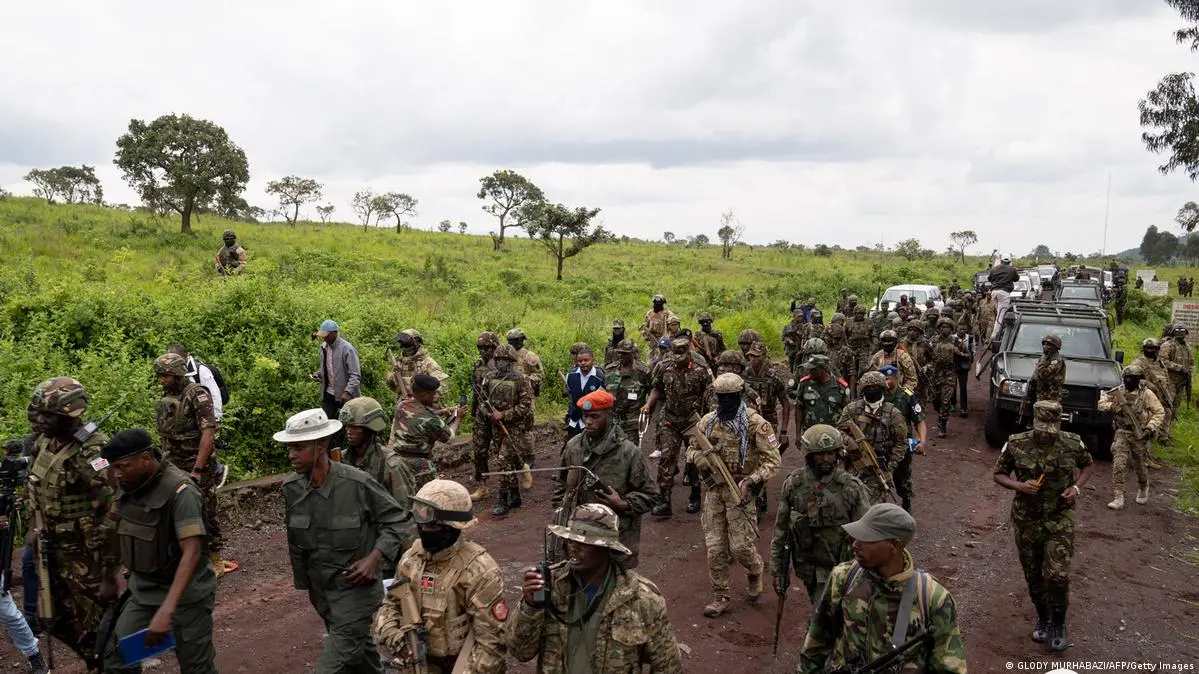
"The FARDC soldiers were coming from the front lines and moving toward Uvira," said Faraja Mahano Robert, a civil society leader in Sange. "They were told not to proceed, but some refused. Shooting broke out among them—and then a bomb exploded, killing many people."
The explosion happened less than a week after Congolese and regional leaders finalized a U.S.-brokered ceasefire and de-escalation agreement meant to halt the war between FARDC forces and the M23 rebels.
However, residents and analysts say clashes have continued despite the deal, with little change on the ground. Sunday's incident suggests internal divisions and breakdowns in military coordination are emerging just as the government attempts to stabilize the east.
Experts warn that if pro-government groups and FARDC forces are now turning on each other, the crisis may accelerate.
Authorities have not yet confirmed what type of explosive was used or who deployed it. Local sources say the device may have been triggered amid the chaos as soldiers exchanged fire.
Civil society leaders in Sange called the blast one of the deadliest incidents in the region this year and urged both the government and international mediators to enforce stronger mechanisms to prevent inter-force confrontations.
The United Nations peacekeeping mission in Congo (MONUSCO) has deployed investigators to the site, while humanitarian organizations are working to provide emergency medical assistance to survivors and displaced families.
As tensions intensify, relief groups warn that:
For many in Sange, the latest explosion has shattered any early hope that the Washington agreement would bring immediate calm.
The United States, which brokered the recent peace agreement, has expressed "deep concern" about the explosion and called for an immediate investigation. The U.S. State Department urged all parties to "cease hostilities and implement the agreed-upon ceasefire without delay."
Regional organizations including the African Union and the International Conference on the Great Lakes Region (ICGLR) have also called for restraint and renewed dialogue.
Security analysts note that the incident highlights several ongoing challenges in Congo's conflict resolution efforts:
The Congolese government has promised a thorough investigation into the explosion and says it remains committed to implementing the peace agreement. However, many local residents remain skeptical, having witnessed numerous failed peace initiatives over the years.