
HAPPY LIFE

WHAT NEWS?
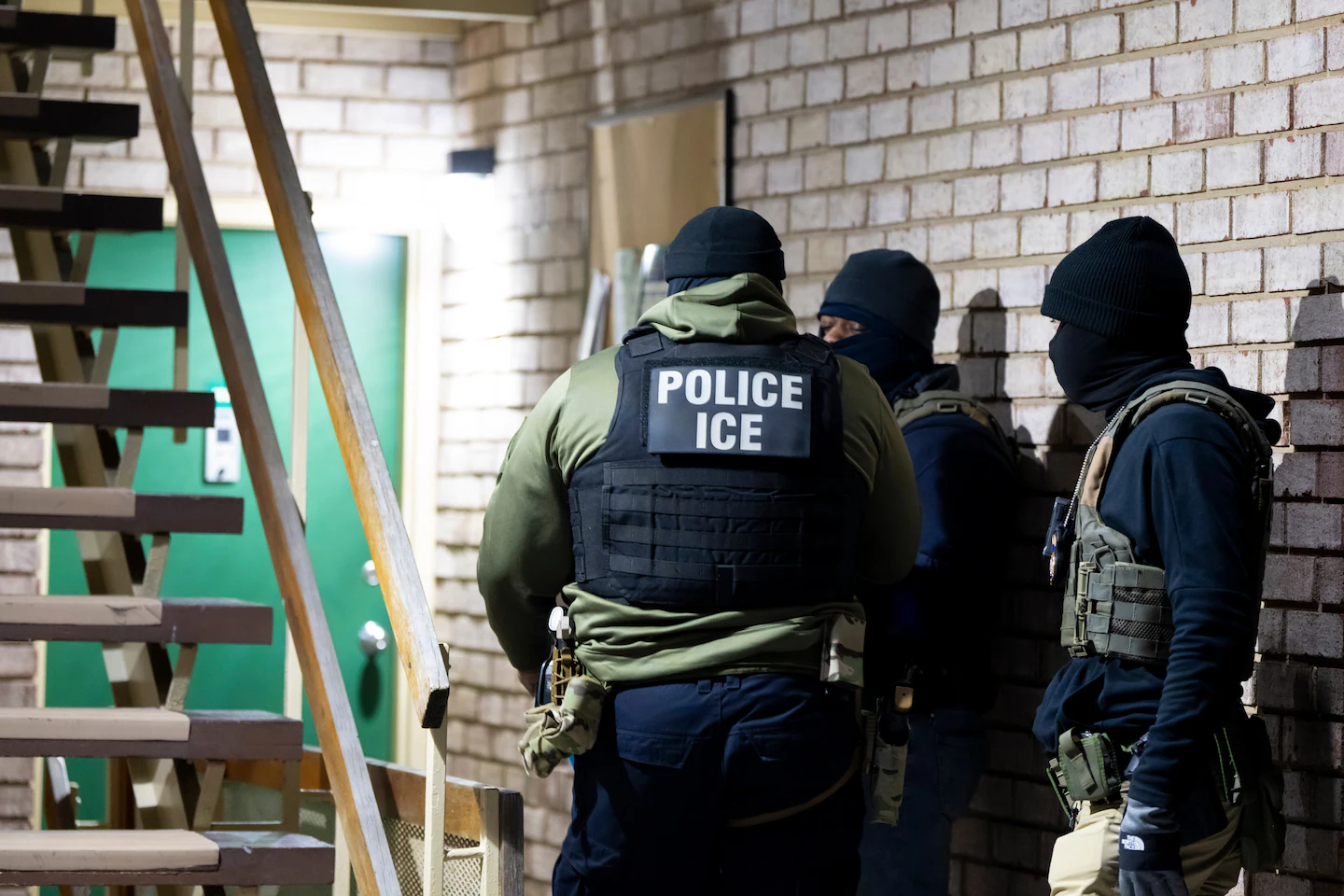
U.S. Lawmakers: ICE Focus Undermines Key Investigations
U.S. Lawmakers: ICE Focus Undermines Key Investigations


Trusted News - Expert Analysis - Global Coverage
Democratic senators accuse U.S. administration of diverting resources from child exploitation & drug trafficking cases to ICE enforcement. Read investigation from Sarah Ming.
emocratic senators have publicly accused the U.S. administration of reallocating federal law enforcement resources away from key criminal investigations, such as child exploitation and drug trafficking, in favor of ramped-up ICE enforcement. The move has sparked intense criticism, as experts warn it could lead to rising crime rates and the neglect of vulnerable populations.
The lawmakers' letter, directed to President Trump, claims that the reassignment of over 28,000 federal agents from agencies like the FBI, DEA, and ATF to Immigration and Customs Enforcement (ICE) is compromising national security and undermining key investigations into drug trafficking and organized crime. According to the senators, the shift is contributing to a reduction in drug and firearms investigations at a time when narcotics-related deaths are at record highs.
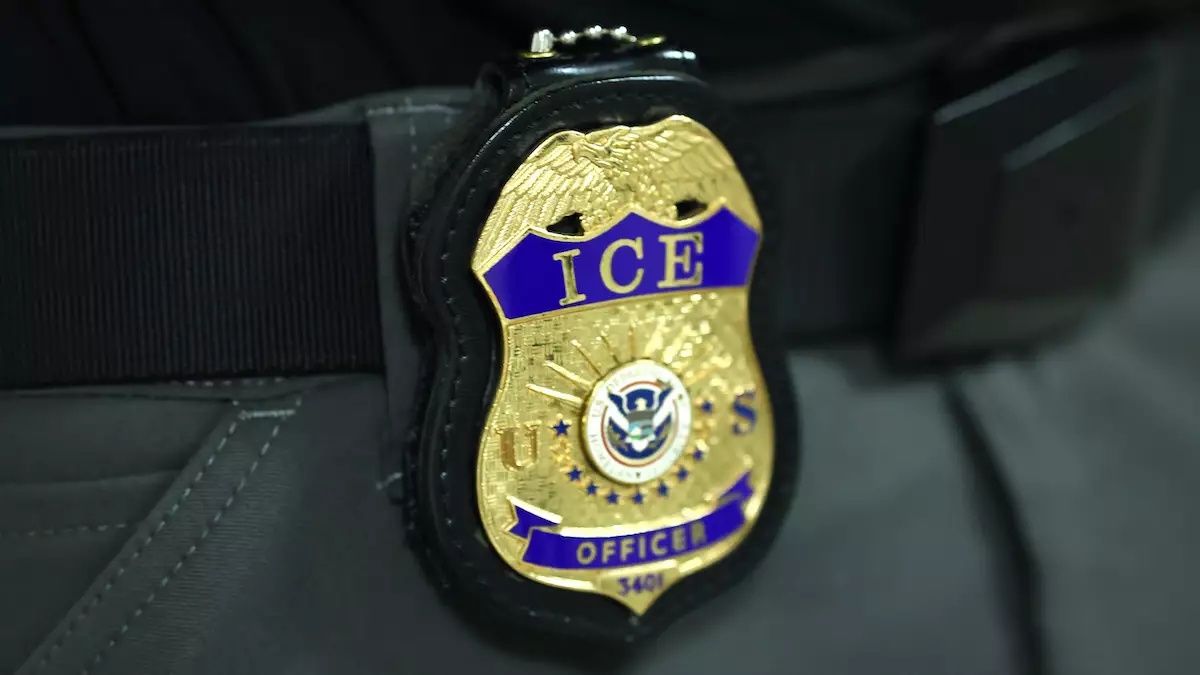
"By prioritizing ICE's enforcement, we are not only hurting the families impacted by illegal immigration but also turning a blind eye to the pressing issues that directly affect American lives—such as the ongoing opioid crisis," said Senator Mark Warner, one of the signatories of the letter. He stressed the need to reinstate resources to the DEA and FBI for targeted criminal investigations.
The letter highlights that despite ICE's success in apprehending undocumented migrants, the federal agencies dedicated to tackling drug trade and human trafficking are facing severe setbacks. The senators accuse the administration of systematically undermining these key federal investigations by diverting both personnel and funding to immigration enforcement priorities.
Experts argue that this shift in focus could result in unchecked criminal syndicates operating within U.S. borders, as law enforcement struggles to meet the growing demand for border security.
The senators' investigation reveals that since the policy shift began in early 2025, there has been a 34% decrease in federal drug trafficking cases and a 28% reduction in human trafficking investigations nationwide. Meanwhile, ICE apprehensions have increased by 42% during the same period, with most arrests involving non-violent immigration violations.
This strategic shift raises concerns about whether key national security investigations are being sacrificed for political objectives. Lawmakers accuse the administration of undermining decades of inter-agency cooperation that formed the backbone of America's security apparatus.
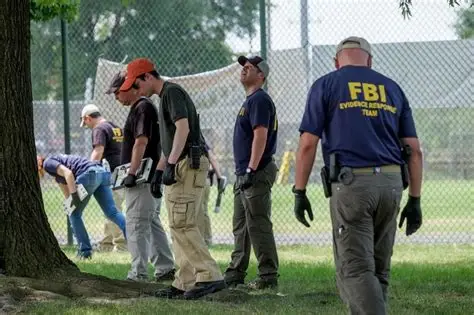
The investigation also uncovered that several high-profile cases involving child exploitation rings and major drug cartels have been deprioritized or reassigned to overburdened local law enforcement agencies. This has led to concerns that critical investigations may stall indefinitely, allowing criminal networks to expand their operations.
Law enforcement experts warn that the current approach creates a false dichotomy between border security and domestic crime prevention. "We need a comprehensive strategy that addresses both," said former FBI Director James Comey in a recent interview. "Pitting one public safety priority against another only weakens our overall security posture."
At the state level, governors from both parties have expressed concern about the federal shift. "We're seeing a trickle-down effect where federal cases are being dumped on state and local agencies that lack the resources and jurisdictional authority to handle them effectively," said California Governor Gavin Newsom.
Local police departments report increased pressure to fill the gaps left by federal agencies, despite already stretched resources. "We're being asked to do more with less, while serious federal crimes are falling through the cracks," said Chicago Police Superintendent David Brown.
The controversy centers on whether the administration is undermining public safety by de-prioritizing key criminal cases—an accusation that continues to fuel bipartisan concern in Congress.
As the ongoing tension between the need for border security and other vital criminal investigations continues, lawmakers are pushing for reforms to ensure a more balanced approach. They argue that while immigration enforcement is necessary, it should not come at the cost of critical investigations related to drug trafficking, human exploitation, and organized crime.
The controversy has also raised questions about transparency and accountability in federal resource allocation. Congressional hearings are scheduled for January 2026, where agency directors will be required to provide detailed reports on how the reallocation has affected their operational capabilities and public safety outcomes.
This escalating concern has prompted reform proposals calling for better coordination between agencies like ICE, FBI, and the DEA, and for improving resources to ensure the nation's safety and integrity is not compromised by political shifts in law enforcement focus.
The investigation concludes with a call for immediate congressional action to audit resource allocations and establish clear metrics for evaluating the impact of these policy changes on overall public safety. Lawmakers are expected to introduce bipartisan legislation in the coming weeks to address these concerns.