
HAPPY LIFE

WHAT NEWS?

DOJ Releases Less Than 1% of Epstein Investigation Files
DOJ Releases Less Than 1% of Epstein Investigation Files


Trusted News - Expert Analysis - Global Coverage
The U.S. Department of Justice has released less than 1% of documents tied to the Jeffrey Epstein investigation despite a federal law requiring full disclosure, intensifying calls from lawmakers for transparency and accountability.
he Justice Department revealed in a recent filing that out of an estimated 2 million documents related to the Epstein investigation, only about 12,285 documents — roughly 125,000 pages — have been reviewed and made public so far. This represents just 1% of the total material required by the Epstein Files Transparency Act.
Officials cite the vast volume of records and extensive redaction process required to protect victim identities and privileged material before public disclosure. The Justice Department has deployed 400 attorneys to assist with the review.
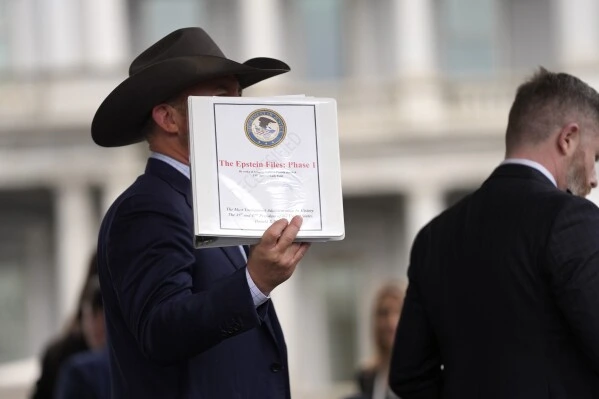
Despite these efforts, the delayed release has drawn bipartisan criticism from lawmakers, including calls for legal measures to compel faster compliance. Critics argue the delay undermines public confidence in the justice system and raises questions about influential individuals tied to Epstein.
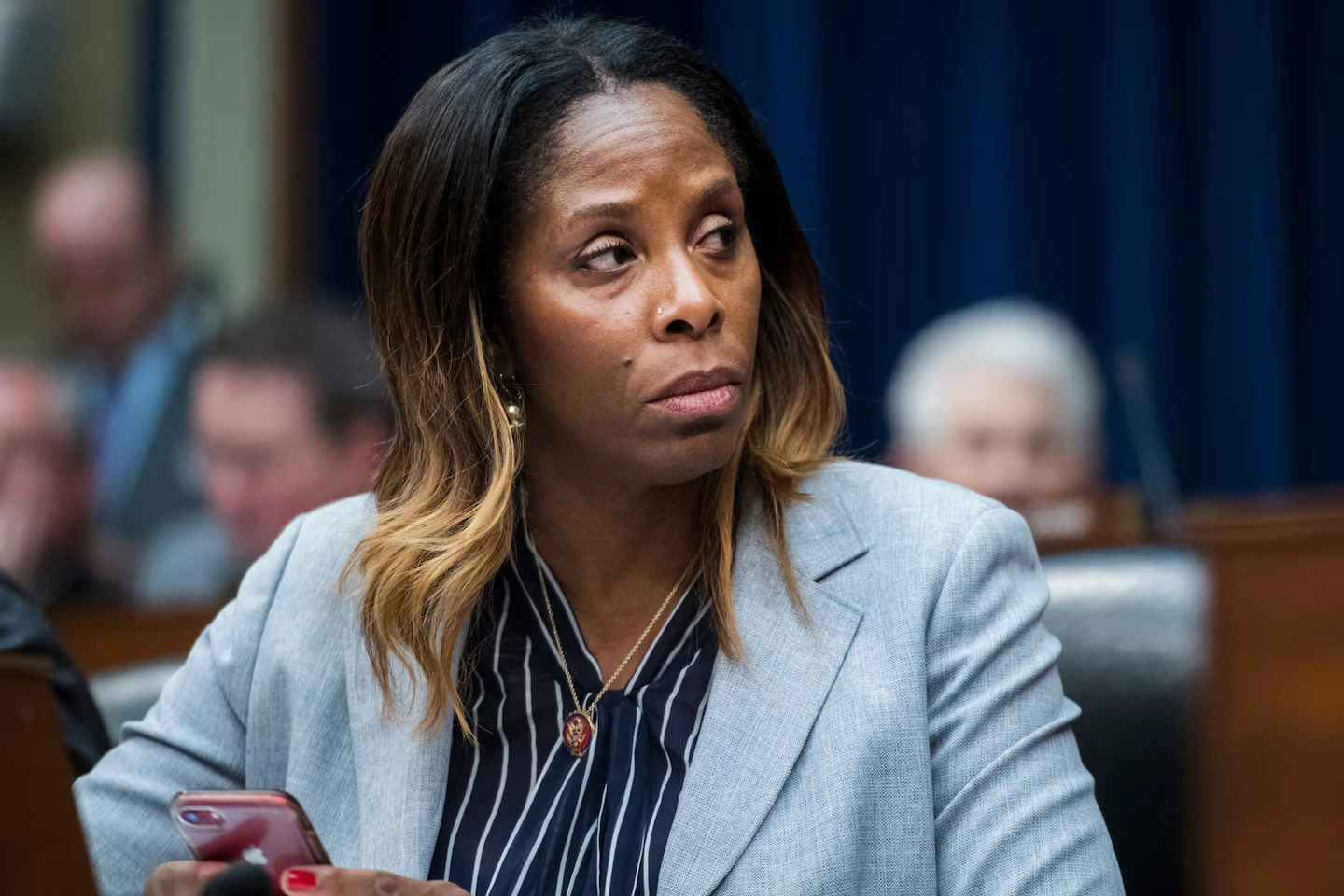
Senate Minority Leader Chuck Schumer and other congressional leaders have accused the DOJ of failing to meet its legal obligations and urged officials to make the full archive public. Some lawmakers are considering formal actions to enforce the statutory deadline.
The slow pace of document release is a political flashpoint as the case continues to influence national discourse. Both Democratic and Republican lawmakers have raised concerns about the DOJ's handling of the files, with some focusing on accountability and others pressing for clarity around mentions of prominent figures.
The documents already released provide limited new insight into the network surrounding Epstein and his associate Ghislaine Maxwell. Transparency advocates argue remaining documents could contain crucial information about other figures not publicly implicated.
"This isn't just about bureaucratic delays," said constitutional law professor Elena Rodriguez. "When Congress passes a law with specific deadlines and the executive branch fails to comply, it raises serious questions about the balance of power and the rule of law."
Survivor advocacy groups have expressed growing frustration with the slow pace of disclosure. "Every day that these documents remain hidden is another day that justice is delayed for the survivors," said Maria Santos, director of the Survivors' Justice Coalition.
Several victim advocacy organizations have filed Freedom of Information Act requests and lawsuits to compel faster release of the documents, arguing the public has a right to understand the full scope of Epstein's network.
The delayed release has international implications. Law enforcement agencies in several countries, including the United Kingdom, France, and the U.S. Virgin Islands, have ongoing investigations connected to Epstein's international operations.
"This isn't just an American issue," said Interpol liaison James Wilson. "Epstein operated a global network, and investigators around the world are waiting for these documents to help them understand the full international scope of his activities."
Congressional committees have scheduled hearings for early January 2026 to examine the reasons for the delay and explore legislative remedies. Some lawmakers are drafting bills that would impose financial penalties on agencies that fail to comply with document release deadlines.
The Justice Department states it remains committed to full compliance with the law but cites the complexity of the review process. "We understand the public's interest in this case," said DOJ spokesperson Amanda Chen.
As the deadline passes with only a fraction of the promised documents released, pressure on the Justice Department continues to build. With congressional oversight hearings imminent, the Epstein document release has become a major test of government transparency.