
HAPPY LIFE

WHAT NEWS?
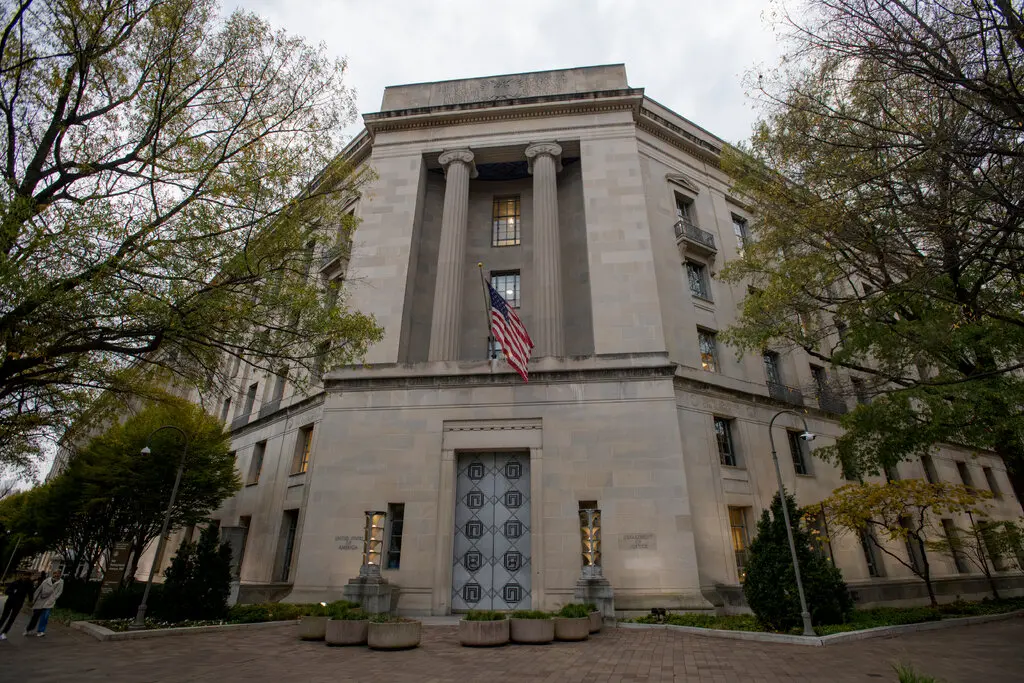
DOJ Expands Prosecutors in Minnesota to Crack Down on Fraud
DOJ Expands Prosecutors in Minnesota to Crack Down on Fraud


Trusted News - Expert Analysis - Global Coverage
The U.S. Department of Justice is increasing prosecutorial presence in Minnesota to pursue widespread fraud schemes, including pandemic relief program abuse with $250 million allegedly stolen from Feeding Our Future and other initiatives.
he DOJ announced a surge of prosecutors and investigative resources into Minnesota following revelations of large-scale fraud involving programs like Feeding Our Future. Officials say this effort aims to bring perpetrators to justice and restore public trust in government programs designed to help vulnerable populations.
At the center of the crackdown are cases such as the Feeding Our Future scandal, where an estimated $250 million in pandemic relief funds intended to feed children and support low-income families was allegedly stolen through fabricated claims and shell organizations. So far, 98 people have been charged in connection with the scheme.
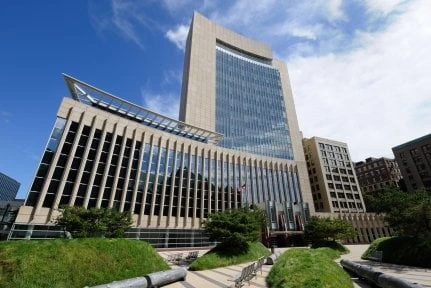
Attorney General Pam Bondi emphasized the DOJ's commitment to holding fraudsters accountable. "Those who deliberately exploit programs meant to help children, families, and communities will face the full weight of the law," Bondi said, underscoring the seriousness of the federal response.
Investigators are also exploring alleged fraud connected to Housing Stabilization Services and Early Intensive Developmental and Behavioral Intervention programs, which are meant to support vulnerable adults and children with special needs.
The Minnesota initiative reflects a growing priority within the DOJ to tackle complex fraud schemes involving government funds, particularly those distributed during emergencies like the COVID-19 pandemic. Legal experts say the scale of the Minnesota cases could signal a broader federal push to strengthen oversight of public programs.
Federal teams are working with the FBI's forensic experts to examine possible links between certain fraud investigations and terrorist financing networks, though officials have not yet publicly detailed evidence of any such connections.
The investigation has revealed that fraudsters employed sophisticated methods to conceal their activities, including creating networks of shell companies, falsifying invoices and delivery records, and using third-party intermediaries to launder stolen funds.
The massive fraud scheme has had devastating consequences for Minnesota communities that were supposed to benefit from the relief programs. Local food banks and community organizations report increased demand for services, as funds intended to support them were diverted to fraudulent operators.
"This isn't just about stolen money—it's about stolen opportunities for children and families who needed help during the pandemic," said Minneapolis community organizer Maria Rodriguez.
The case has prompted calls for reform of emergency relief program administration, with lawmakers proposing stricter verification requirements, real-time monitoring systems, and increased penalties for pandemic-related fraud.
Investigators are tracing international money flows as they attempt to recover stolen funds. Some of the allegedly misappropriated money has been tracked to overseas accounts and real estate investments in multiple countries.
"We're following the money wherever it leads, whether that's across state lines or international borders," said U.S. Attorney Andrew Luger of the District of Minnesota. "Our goal is not just to prosecute those responsible, but to recover as much of the stolen funds as possible for the American taxpayers."
Legal analysts predict that the outcomes of these cases will establish important precedents for future fraud prosecutions, particularly regarding the use of digital evidence, forensic accounting techniques, and international cooperation in complex financial crime investigations.
As the investigation expands, Minnesota residents are watching closely, hoping for both justice and systemic reforms that will prevent similar abuses in future emergency relief efforts.