
HAPPY LIFE

WHAT NEWS?
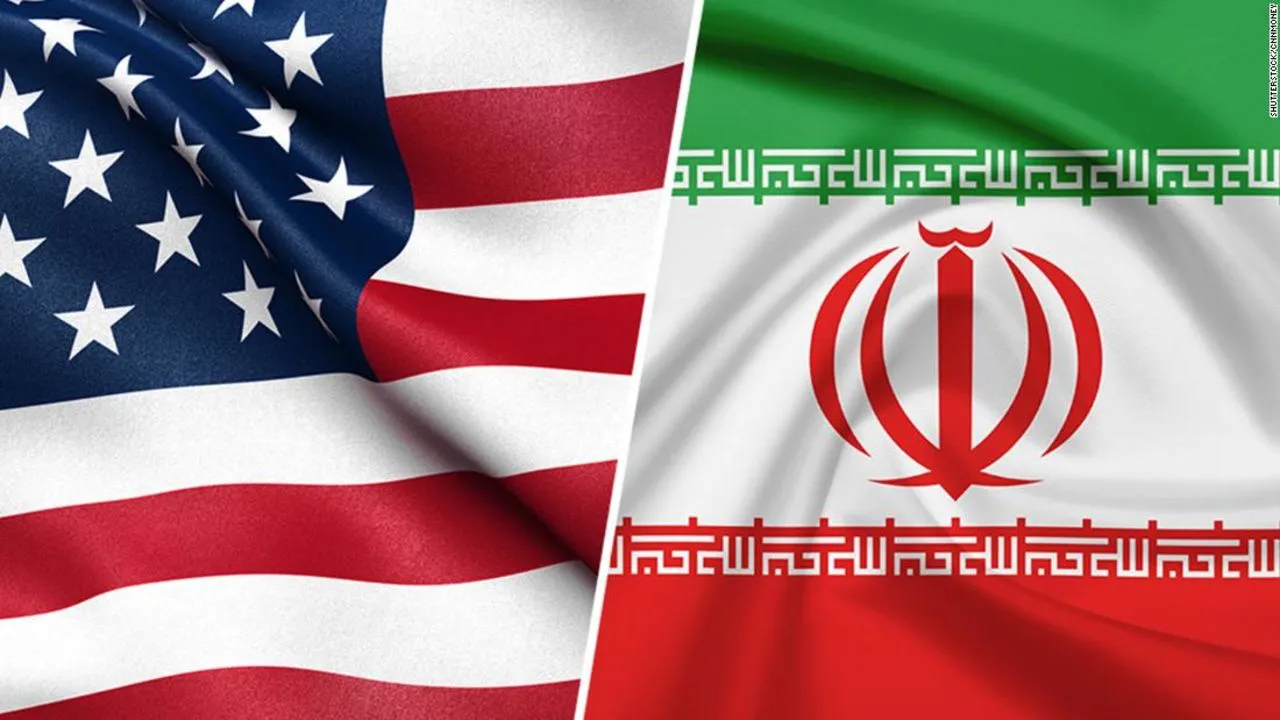
Iran Makes Surprise US Overtures Amid Post-War Turmoil
Iran Makes Surprise US Overtures Amid Post-War Turmoil


Trusted News - Expert Analysis - Global Coverage
Barely five months have passed since the United States abruptly walked away from nuclear negotiations and—together with Israel—launched a devastating 12-day bombing campaign against Iran. The strikes obliterated key air-defense networks, neutralized senior commanders, and buried several nuclear facilities deep underground. For a regime accustomed to defiant posturing, observers expected a return to fiery rhetoric about the "Great Satan" and vows of resistance. Instead, something far more surprising is unfolding.
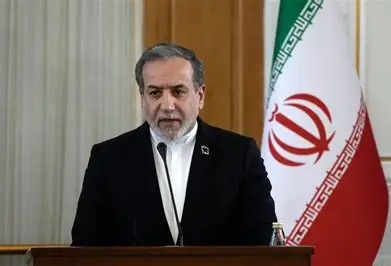
ran's foreign minister, Abbas Araghchi, has begun signaling an openness toward renewed dialogue with Washington, hinting at diplomatic recalibration rather than retaliation. Tehran's sudden softening raises a critical geopolitical question: Why would a wounded regime reach for diplomacy rather than escalate? This unexpected shift represents not ideological transformation but evidence of strategic adaptation by a clerical system recalibrating its foreign policy for long-term survival.
Iran's overtures are not a sign of ideological transformation but evidence of strategic adaptation. The clerical system, fragile and factional, appears to be recalibrating its foreign policy to ensure long-term survival. Several forces are driving this shift that would have seemed unimaginable just months ago.
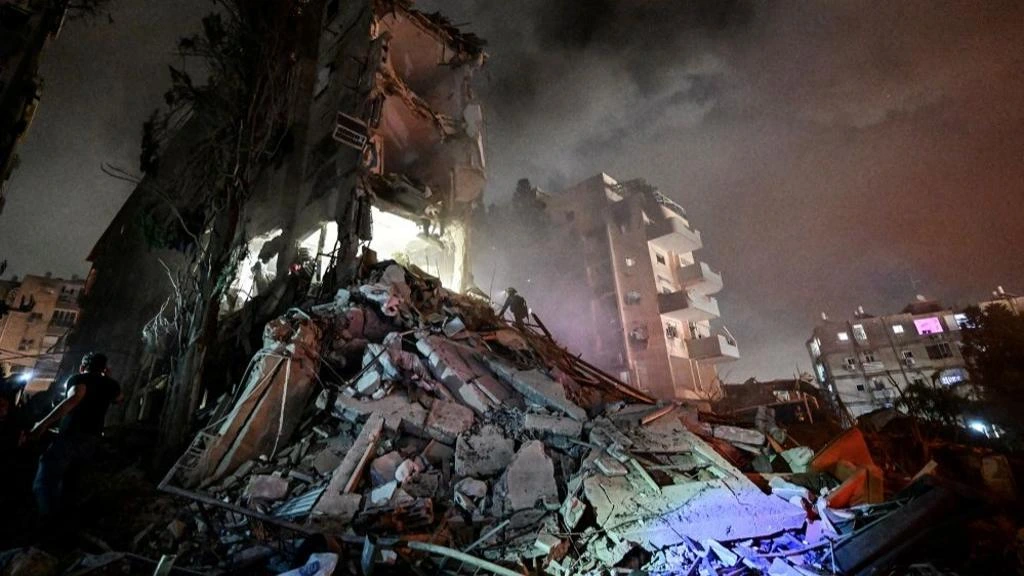
1. Crushing Military Losses: The U.S.–Israeli strikes were among the most damaging Iran has absorbed in decades. Multiple air-defense systems were destroyed, senior IRGC commanders killed, nuclear enrichment sites crippled or entombed, and logistical hubs disrupted. Iran's leadership recognizes that another confrontation could be existential.
2. Domestic Unrest and Economic Collapse: Years of sanctions, inflation exceeding 50%, fuel shortages, and widespread protests have eroded the regime's legitimacy. Tehran's elites know that continued isolation could trigger broader social unrest, new waves of emigration, and cracks within the Revolutionary Guard and ruling clergy. Diplomacy is increasingly seen not as a choice but as an economic lifeline.
3. Shifts in Regional Balance: Iran's regional posture—once anchored by influence in Iraq, Syria, Lebanon, and Yemen—has weakened significantly. Proxies have lost funding, Israeli and American pressure has grown, Arab states are repositioning toward new security frameworks, and neither China nor Russia appears willing to rescue Iran economically. Opening channels with Washington allows Tehran to rebalance its overstretched regional commitments.
12+ air-defense systems destroyed, 5 nuclear sites damaged, 7 IRGC commanders eliminated
52% inflation, 40% youth unemployment, $90 billion in frozen assets overseas
Proxy funding cut by 60%, Hezbollah weakened, Houthi support reduced
3 major protest waves in 2025 alone, widespread public disillusionment
Limited backing from China/Russia, GCC states normalizing with Israel
Factional infighting, succession uncertainty, Revolutionary Guard restlessness
Araghchi's remarks are intentionally measured. Iranian officials are careful not to frame this as capitulation but rather "pragmatic engagement." Behind closed doors, Western diplomats interpret the overtures as:
Iran knows it cannot rebuild its defenses or economy without some form of relief. The calculus appears to be that limited engagement now could prevent total collapse later. "They're playing a long game," explained a European diplomat involved in regional negotiations. "They want sanctions relief to survive economically, and they want to avoid another military confrontation they know they can't win."
The signals have been subtle but consistent. Iranian media, which typically portrays the U.S. as an implacable enemy, has begun carrying more neutral coverage of Washington. Senior officials who previously called for America's destruction now speak of "mutual interests" and "regional stability." Even Supreme Leader Ali Khamenei, while not endorsing direct talks, has allowed the foreign ministry to explore channels without his usual condemnation.
Washington faces a complicated decision. Re-engaging Iran could potentially slow nuclear escalation, reduce the risk of regional war, and restore diplomatic leverage. However, it also risks empowering a regime accused of destabilizing the Middle East, angering Israel, Gulf partners, and domestic critics, and sending mixed signals after a major military confrontation.
The Biden and Trump camps—depending on who shapes policy post-2024—must weigh whether Iran's outreach represents genuine recalibration or tactical deception. Some analysts see this as a historic opportunity to reshape U.S.-Iran relations; others view it as a trap designed to weaken sanctions and buy time for nuclear reconstitution.
No regime change demands, partial sanctions relief, recognition of regional role
Verifiable nuclear limits, reduced regional aggression, release of prisoners
Iranian nuclear threshold capacity, Hezbollah rearmament, regional credibility
Reduced Iranian proxy threat, economic stability, U.S. security guarantees
Limited willingness to rescue Iran, focus on own interests, arms sales continuity
U.S. election impact, Iranian hardliner resistance, Gulf state normalization
For decades, Iran's foreign policy has oscillated between confrontation and cautious engagement. Today's overtures suggest the clerical establishment is entering a survival mode, aware that further isolation could be fatal. Whether the United States chooses to respond—or to leverage Iran's weakness for strategic gain—may shape the Middle East's future more profoundly than any airstrike.
The coming weeks will reveal whether this diplomatic opening leads to substantive negotiations or collapses under the weight of mutual suspicion. What's clear is that Iran's unexpected turn toward dialogue reflects not strength but vulnerability—a recognition that in the harsh arithmetic of survival, sometimes the most defiant must become the most pragmatic.
As diplomats in European capitals and Gulf states monitor these developments, the broader implications are becoming clear. A shift in Iran's approach could reshape alliances, alter regional power balances, and potentially create pathways for de-escalation in one of the world's most volatile regions. But as with all diplomatic overtures from Tehran, the devil will be in the details—and in whether actions ultimately match carefully calibrated words.